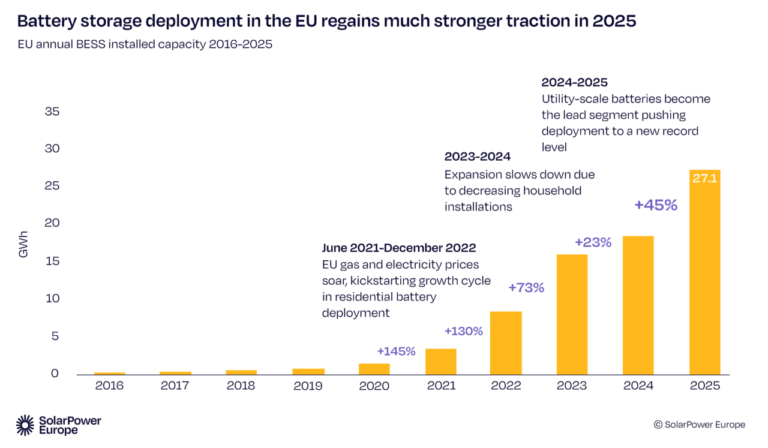
European Union battery storage market entered ‘new phase of scale and maturity’ in 2025, but ‘still has a long way to go’
European Union countries deployed record-breaking battery storage capacity for the 12th consecutive year in 2025.


Leonardo Royal Hotel St Paul's, London, UK
European Union countries deployed record-breaking battery storage capacity for the 12th consecutive year in 2025.
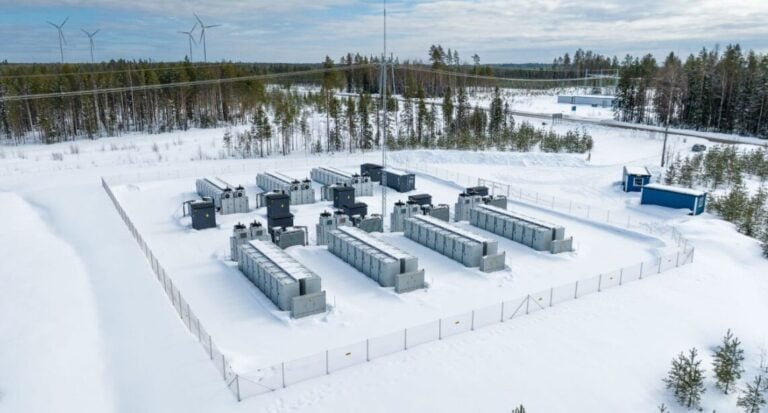
While steps are being taken, Spain still lacks the market mechanisms and regulatory framework for large-scale energy storage.
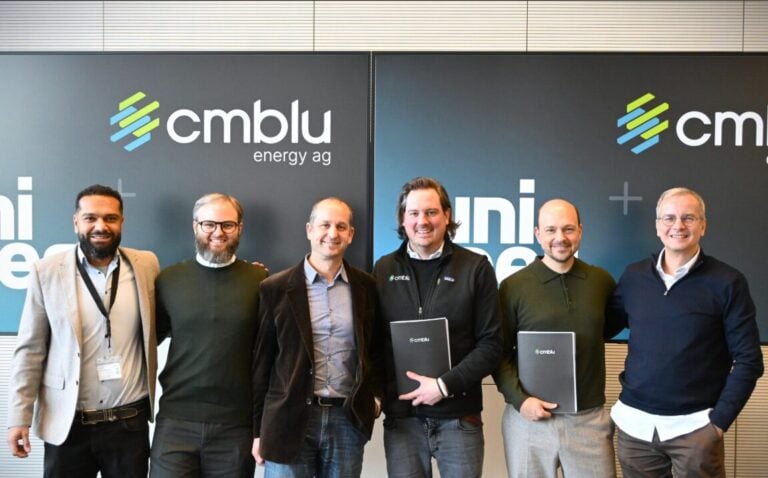
Power firm Uniper has entered into a conditional supply contract with organic solid flow battery company CMBlu Energy for the delivery of at least 5GWh of its technology.

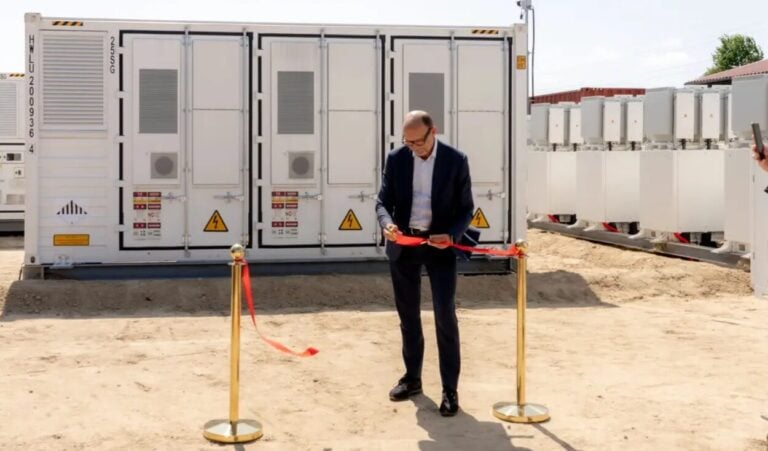
A 100MW/200MWh BESS project in Estonia has been inaugurated by Baltic Storage Platform (BSP), a joint venture (JV) between Baltic developer Evecon, French independent power producer (IPP) Corsica Sole and investment manager Mirova.
That was the view of Søren Juel Hansen, energy storage director at Nordic Solar, when asked by Energy-Storage.news about the role of transmission system operators (TSO) in the industry.
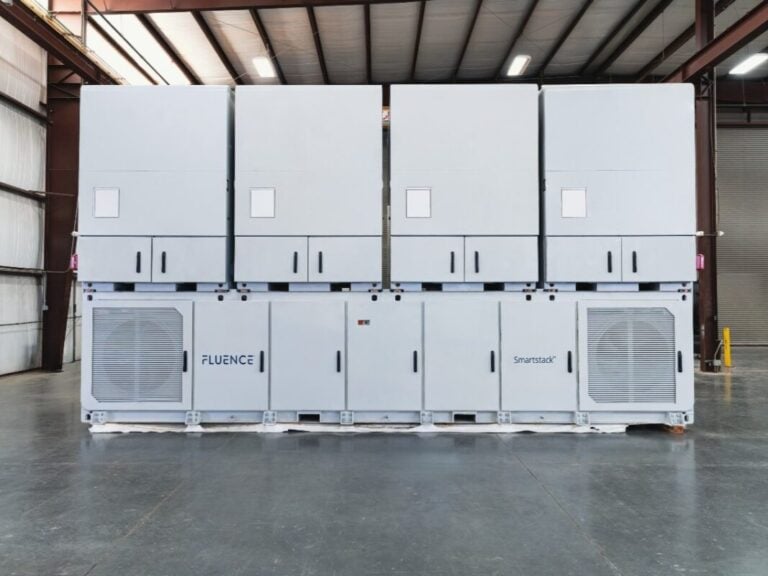
System integrator Fluence saw revenue of US$475.2 million in the last quarter of 2025, while its net loss grew around 10% to US$62.6 million.
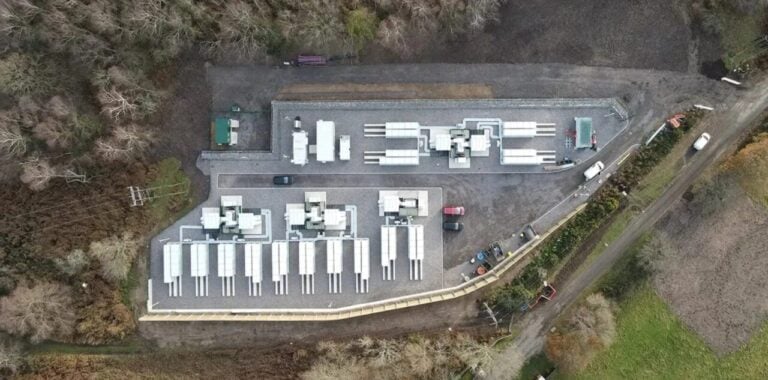
Bigger, longer-duration projects and more sophisticated deal structuring are driving the energy storage industry forward, but a lack of common approaches from transmission system operators (TSOs) remains a challenge.
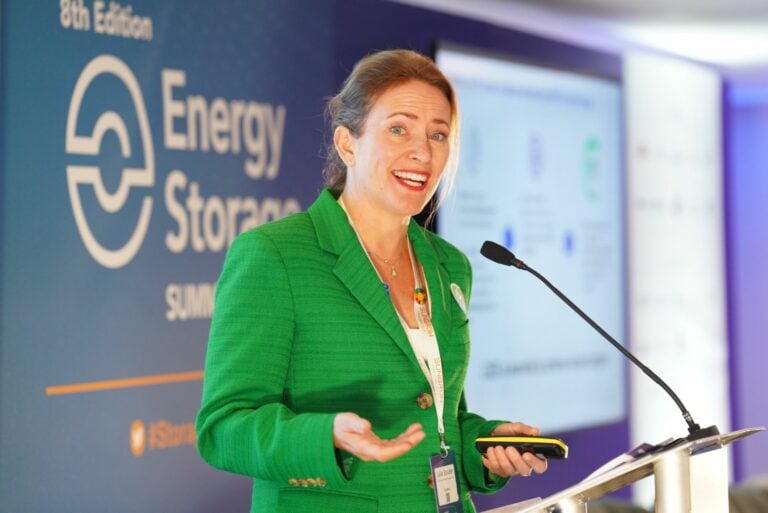
The costs of certain long-duration energy storage (LDES) technologies are expected to decline by around 37% on average by 2030, according to a new study.
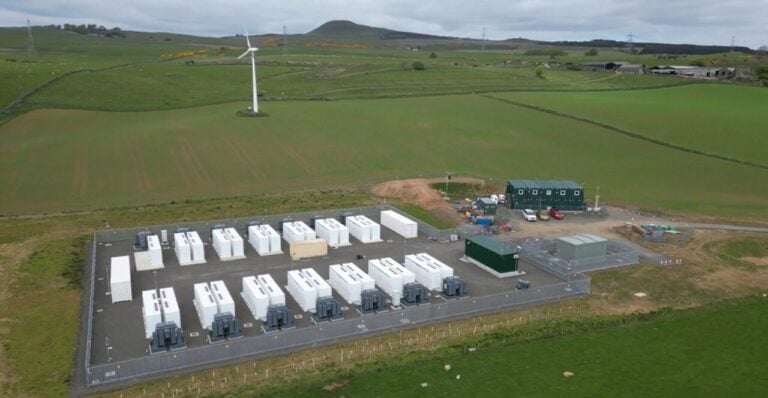
Lenders requirements for contracted revenues for BESS projects in the UK appears to have softened, an executive at investment firm Triple Point said.
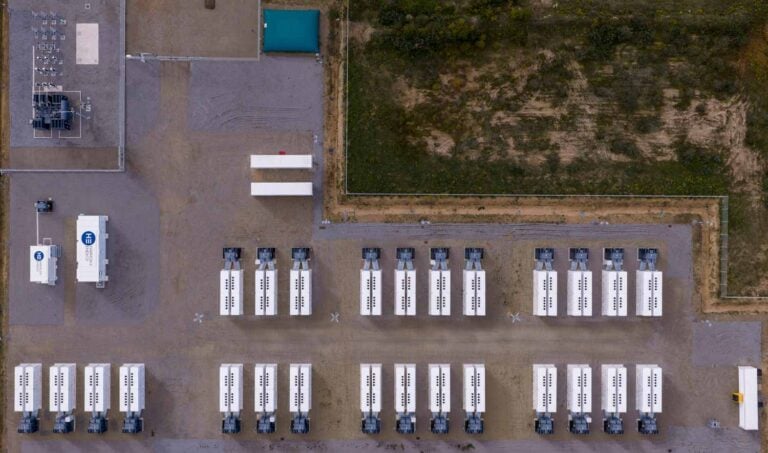
More BESS news from across Europe, with ContourGlobal and Alpiq striking sizeable deals in Greece and France, Iberdrola putting projects into operation in Spain, and other project news in Germany, Poland, Denmark and Southeast Europe.